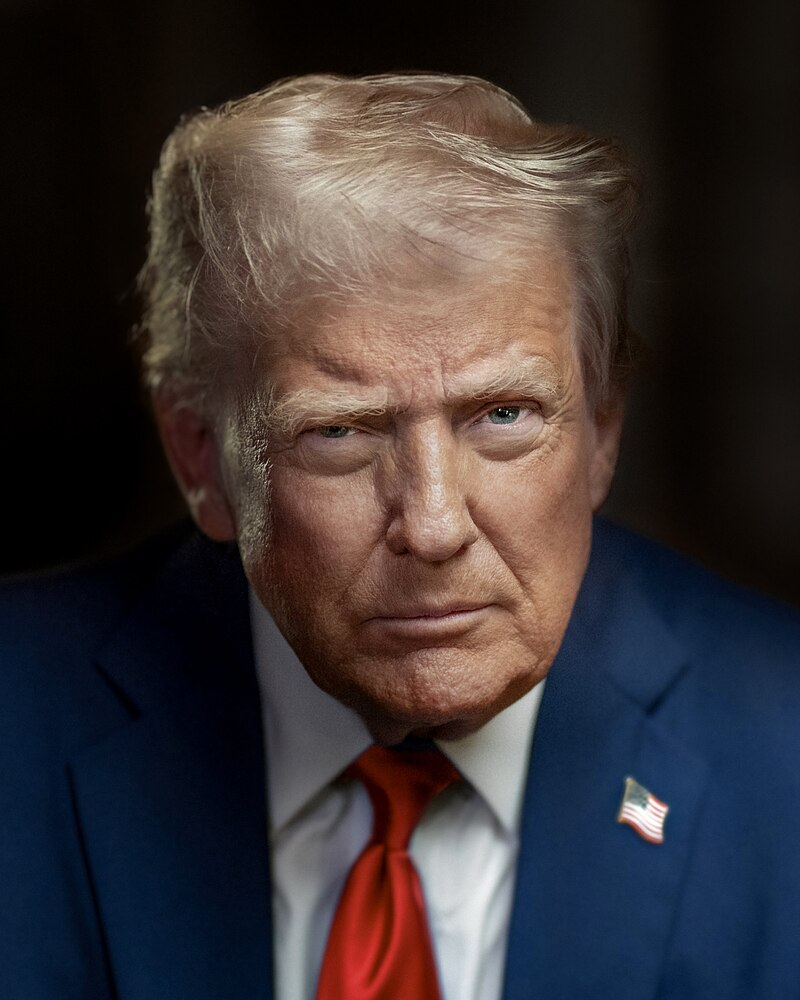
In recent weeks, the internet has been abuzz with speculation and trending hashtags like #TrumpIsDead, following a mix of public concern, viral rumors, and visible signs of fatigue from former President Donald Trump. While these rumors have been dispelled—Trump was seen playing golf and making public appearances—the public’s curiosity remains: what would actually happen if Donald Trump died while in office or during a campaign?
Let’s break down the constitutional process, historical precedents, and the political ripple effects such an event could trigger.
1. The Constitutional Line of Succession
If a sitting U.S. president dies while in office, the 25th Amendment to the Constitution lays out a clear path:
- The Vice President immediately assumes the role of President.
- There is no gap in power—the transition is automatic and legally binding.
- The new President then nominates a new Vice President, who must be confirmed by a majority in both the House and Senate.
📝 Example: After JFK’s assassination in 1963, Vice President Lyndon B. Johnson was sworn in within hours aboard Air Force One.
2. What If Trump Dies While Running for President?
This is where things get more complex—and more politically charged.
Scenario A: Before the Primaries
If Trump were to pass away before the primaries, Republican voters would simply nominate another candidate. The field would likely open up quickly with multiple contenders stepping in.
Scenario B: During the Primaries
If he dies mid-primary season, state-level parties may have to reschedule or modify primary events. Delegates already pledged to Trump could become unbound or redirected.
Scenario C: After the Nomination
If Trump were the official GOP nominee and died before Election Day, the Republican National Committee (RNC) would reconvene to select a new nominee. In some states, it may be too late to change ballots, leading to Trump’s name remaining on the ticket—potentially causing voter confusion or legal battles.
🧠 Fun fact: This isn’t unprecedented. In 1872, presidential candidate Horace Greeley died after the election but before the Electoral College vote.
3. Political Fallout: MAGA, the GOP, and the Nation
Trump is not just a political figure—he’s the face of a movement. His sudden death would send shockwaves through both the Republican Party and the country at large.
Within the GOP:
- Power struggle: Expect factions—Trump loyalists, moderates, and opportunists—to clash.
- VP J.D. Vance (hypothetically): Could be seen as heir apparent, but may face internal resistance.
Among the Public:
- MAGA base: Could fracture, harden, or radicalize, depending on how the transition is handled.
- Conspiracy theories: These would explode, especially if the cause of death is sudden or unclear.
- Media circus: Coverage would dominate global headlines, with real-time constitutional commentary.
4. Would the U.S. Government Be Ready?
Yes. The Constitution, through the Presidential Succession Act of 1947, provides a clear order:
- Vice President
- Speaker of the House
- President Pro Tempore of the Senate
- Secretary of State
- Other Cabinet officials in order of department creation
The government is built to survive leadership crises. It did so after Lincoln, FDR, and JFK—and it would do so again.
Conclusion: Preparing for the Unthinkable
While Donald Trump remains very much alive and active, the question of presidential succession is more than hypothetical—it’s a constitutional safeguard. In a time when political polarization is at an all-time high, clarity, civility, and legal literacy are more important than ever.
Whether you’re a supporter, critic, or curious observer, knowing what happens if a sitting or running president dies is a reminder of how structured—and resilient—the U.S. system of government really is. Or is it?
👉 What do you think would happen politically if Trump were no longer in the picture? Would the GOP unite or splinter? Share your thoughts in the comments below!




 PADDYLAST INC.