I never learned about the Holocaust in school. History lessons were very compressed at my public elementary and high schools. My first exposure to the Nazi genocide against the Jews in Europe was through the film Schindler’s List, which I accidentally watched around 1997-1998. I’m not certain about the exact date, but during that time, I was at the cusp of puberty. I was a sensitive and emotional child, and that film touched something in me that stayed with me into adulthood.
I attempted to learn more about it in high school, but the ineffective teaching and inadequate resources left me thirsty for more until I attended university, where I finally grasped the scope of this terrible part of our history. I read books, articles, newsreels, and film archives, trying to absorb as much information as possible. There were so many unanswered questions that I wanted to address, but to this day, some of them remain unanswered, or rather, unanswerable. The ‘whys’ and the ‘hows’ are just too much and unfathomable.
That’s why this trip was especially meaningful for me. Having the opportunity to visit Auschwitz and Birkenau, among the thousands of Nazi concentration camps, felt like a blessing somehow. It felt like it would answer some of the questions I’ve had since I was a teenager, and I felt that I would somehow connect with the victims of this horrifying human tragedy, and most importantly, pay my respects by never forgetting about them.
For the record, I do not personally know a single Jewish individual, but I do believe that as human beings, we must acknowledge what transpired here and in the rest of the concentration camps around Europe. I believe that we owe it to the victims to keep their memories alive, to be reminded of what is at stake, and to understand what should be done to prevent such a colossal tragedy in human history from ever happening again.
The tour started very early in the morning. It was freezing that day. I thought I was already accustomed to the cold, but the weather that day made me feel lethargic for some reason.
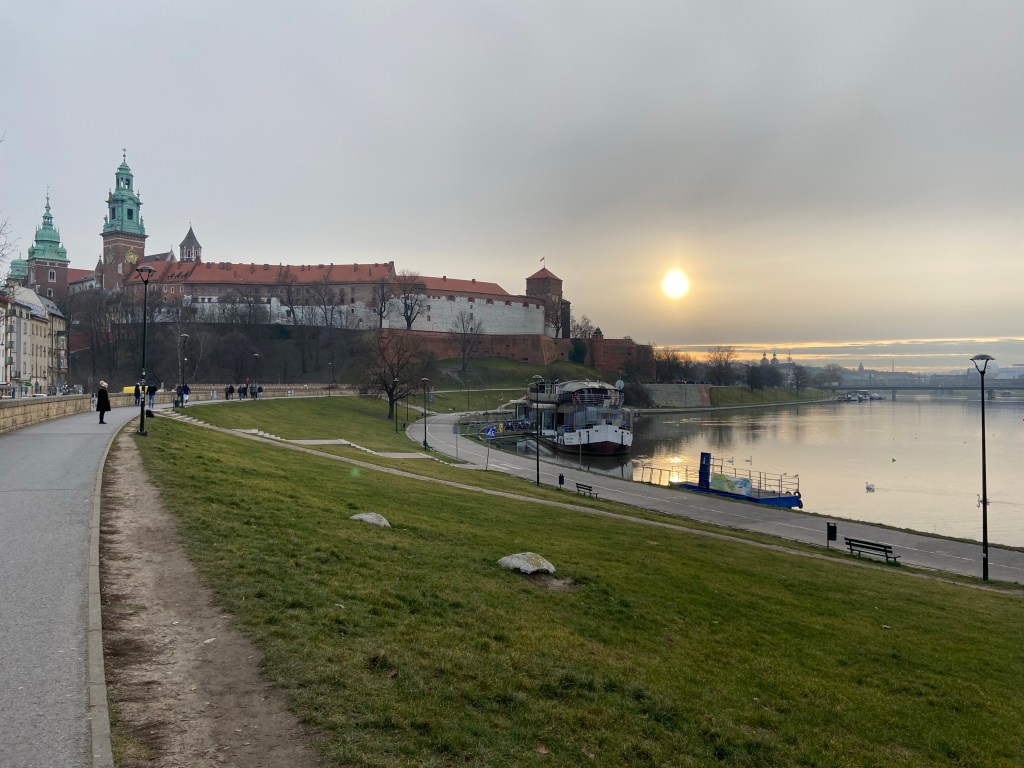
Auschwitz is located in Oświęcim, which is 66 kilometers west of Krakow, or around 2 hours from Krakow.
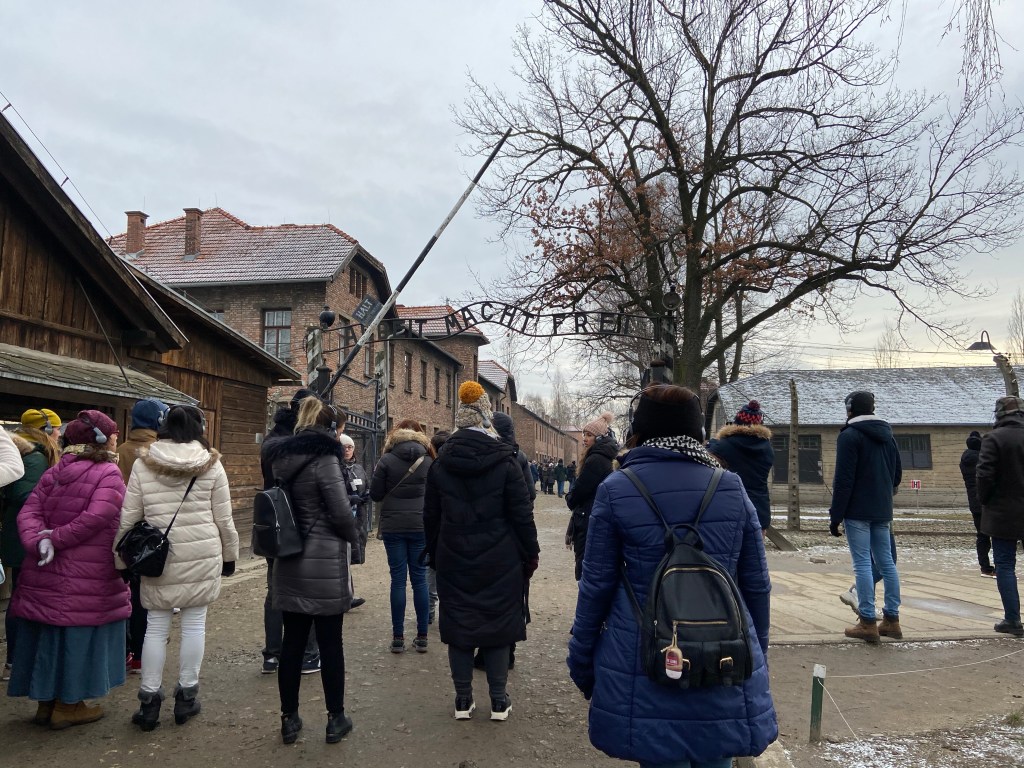
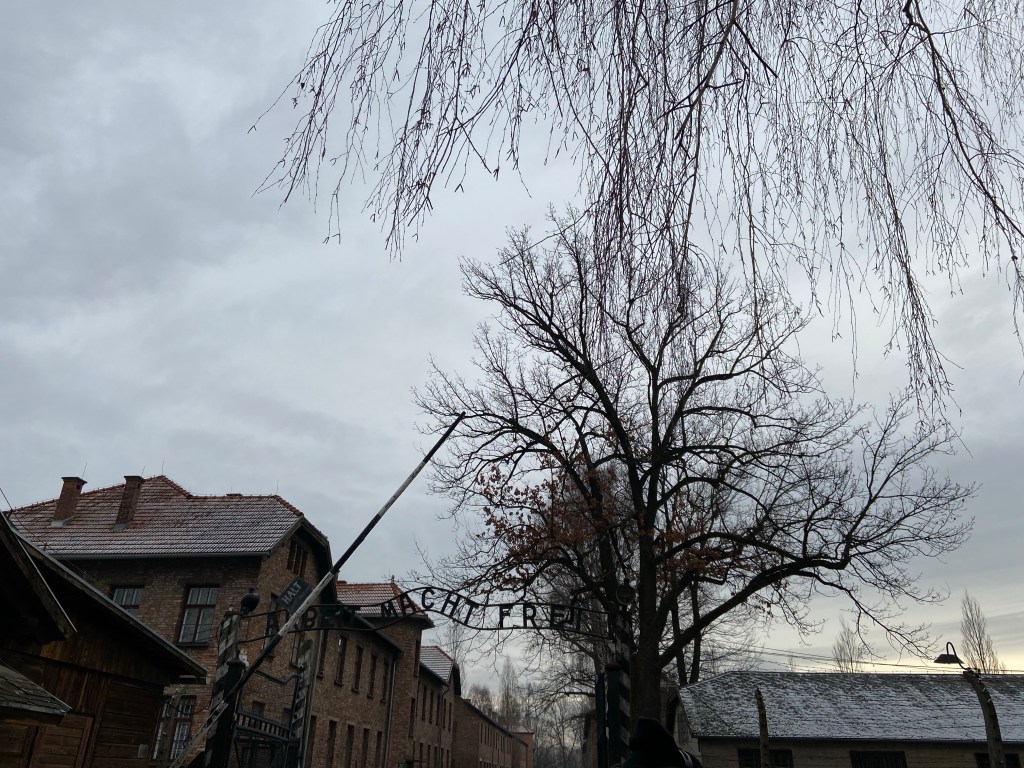
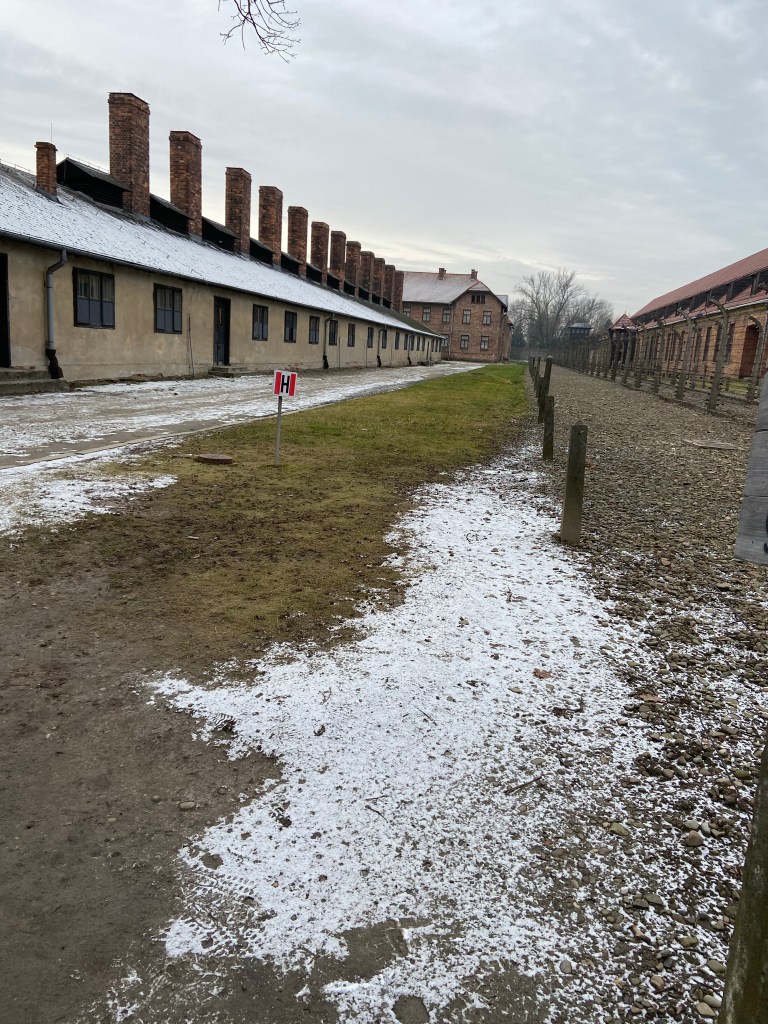

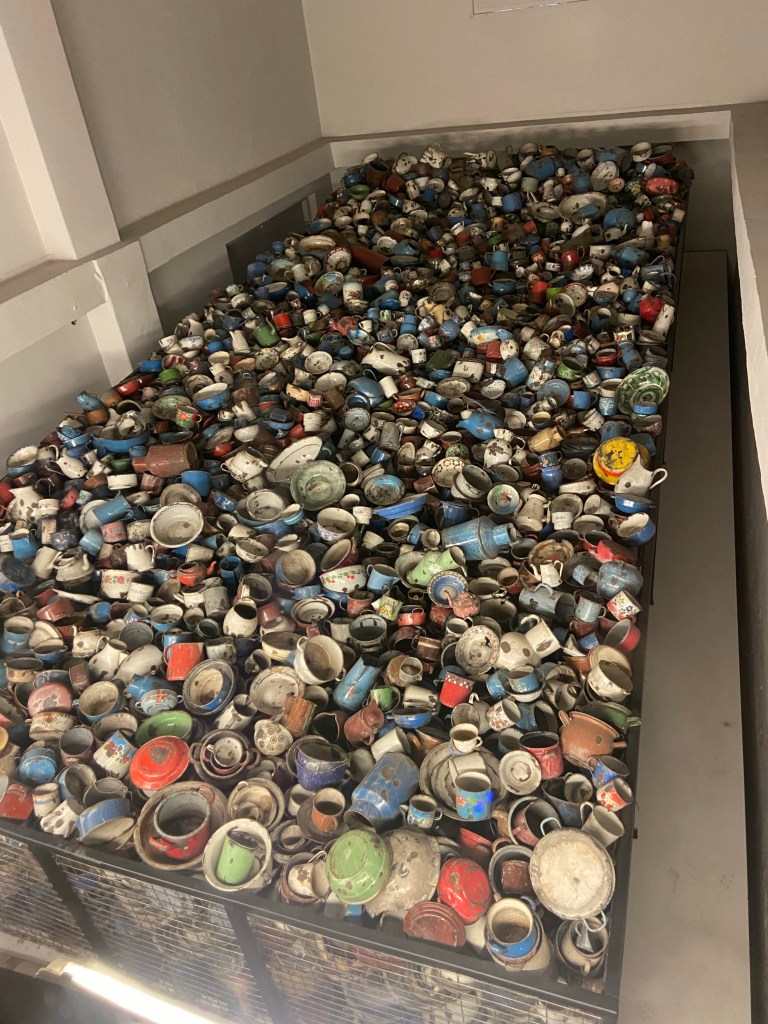

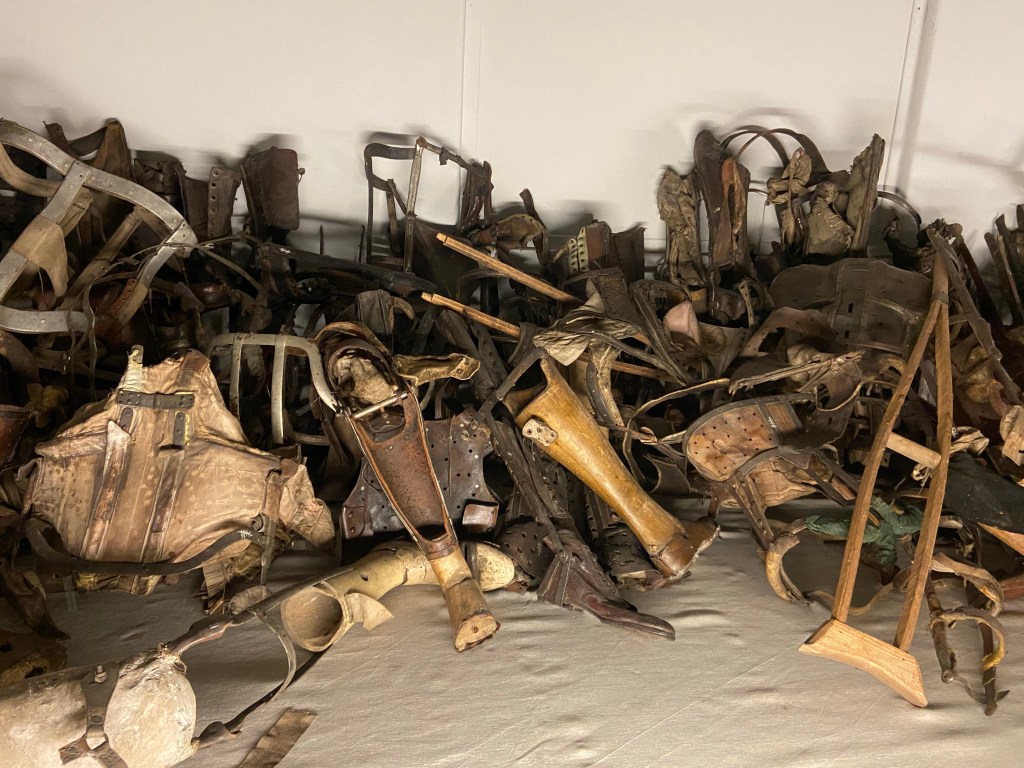

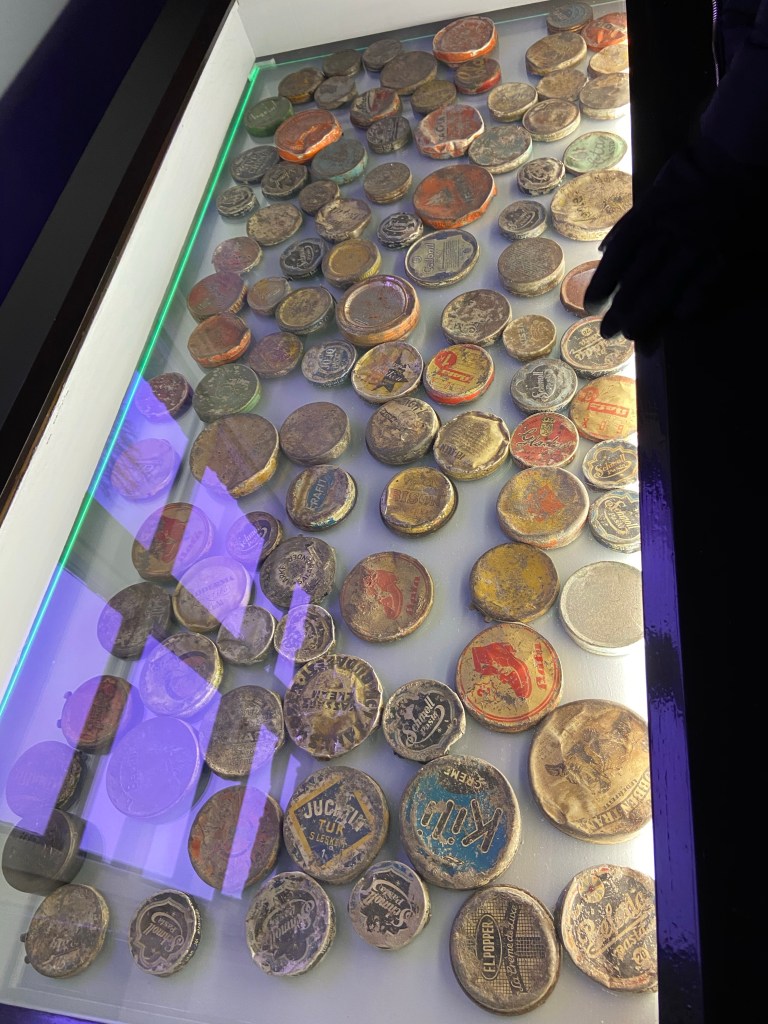

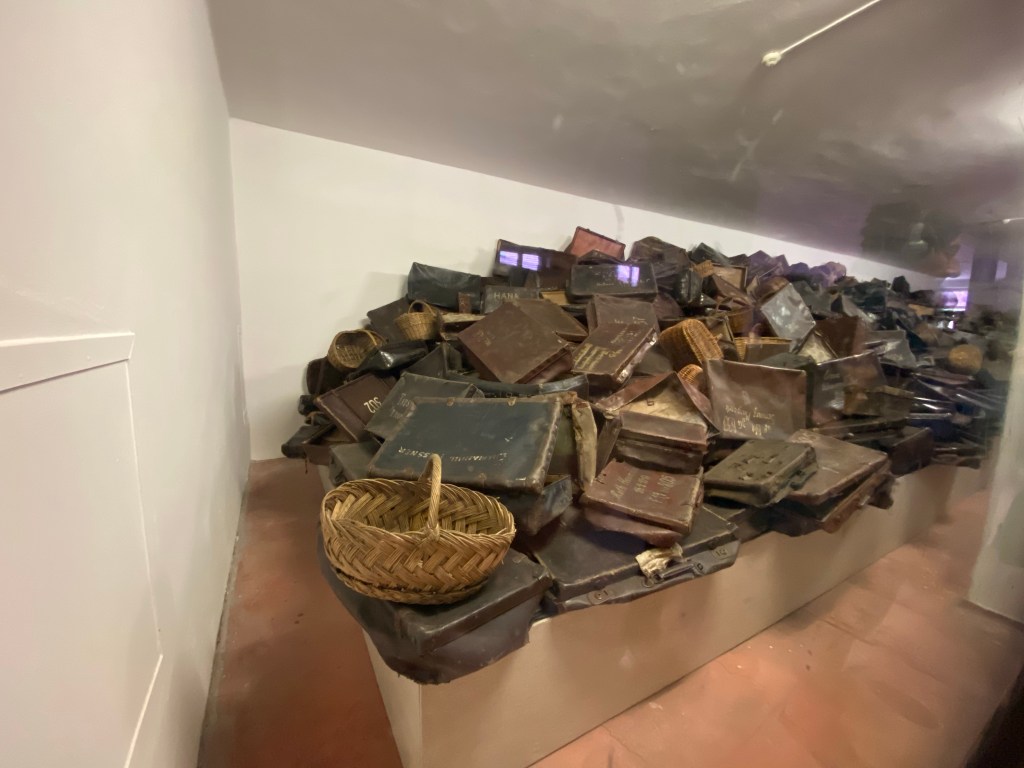
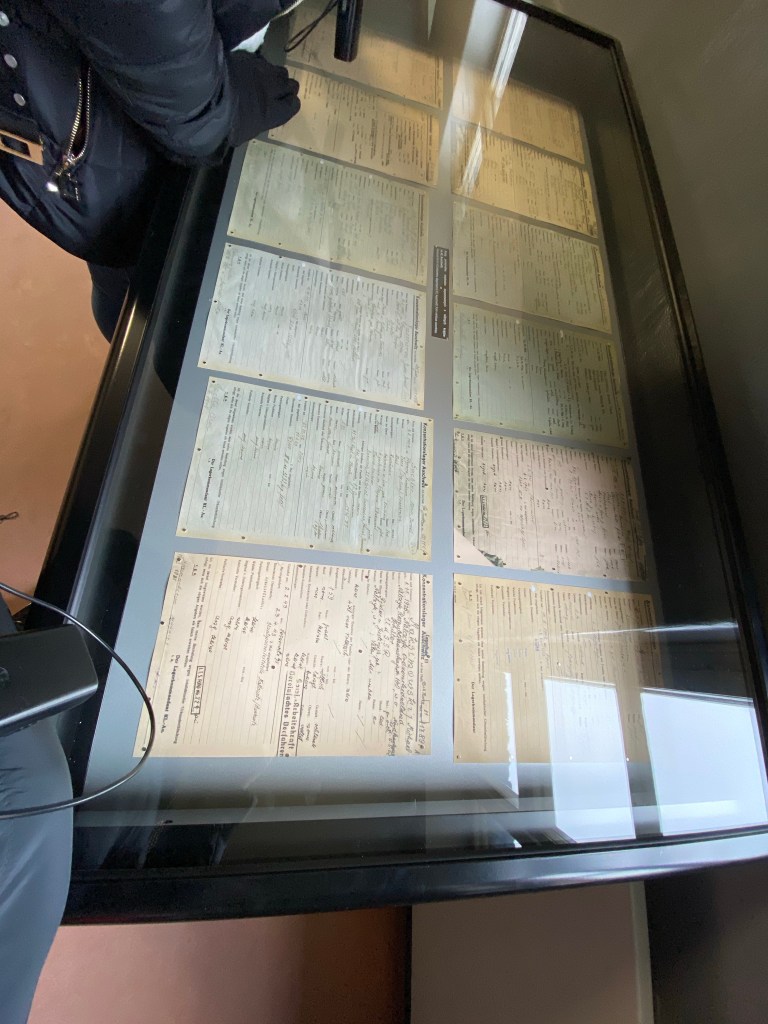
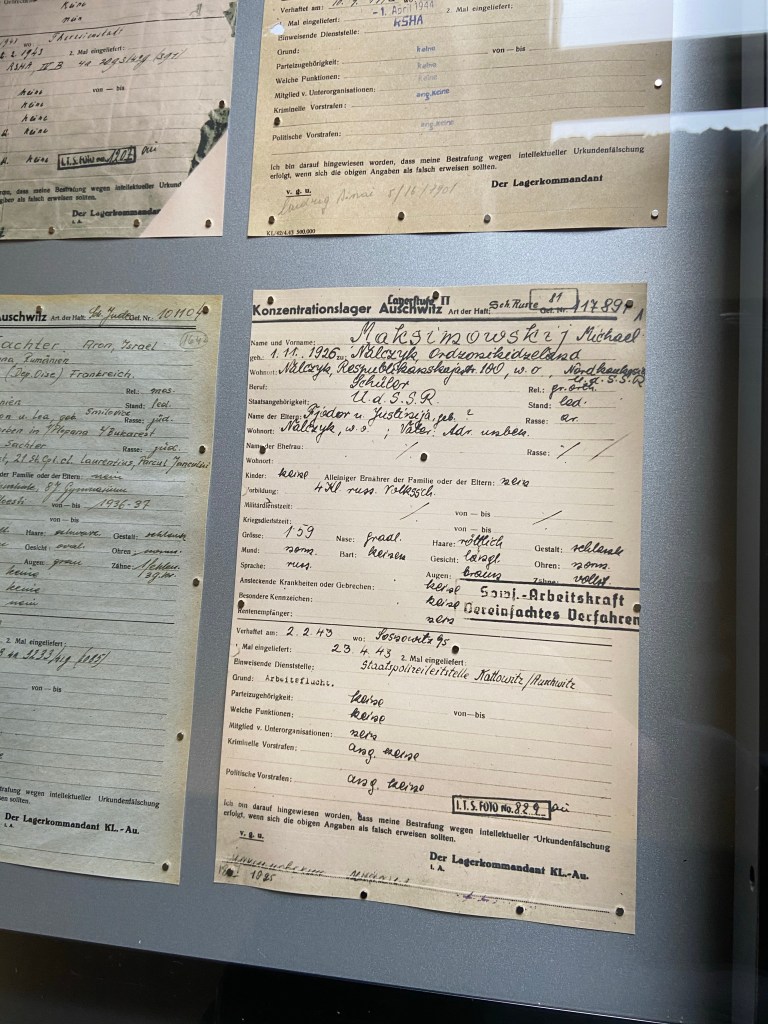
The Museum collections include:
- about 40.000 m3 of shoes;
- about 3,800 suitcases, 2,100 of which bear the names of their owners;
- over 12 thousand kitchen utensils;
- 470 prostheses and orthoses;
- 397 striped camp garments;
- 246 tallisim;
- about 4,100 works of art (including about 2 thousand of which were made by prisoners). Source

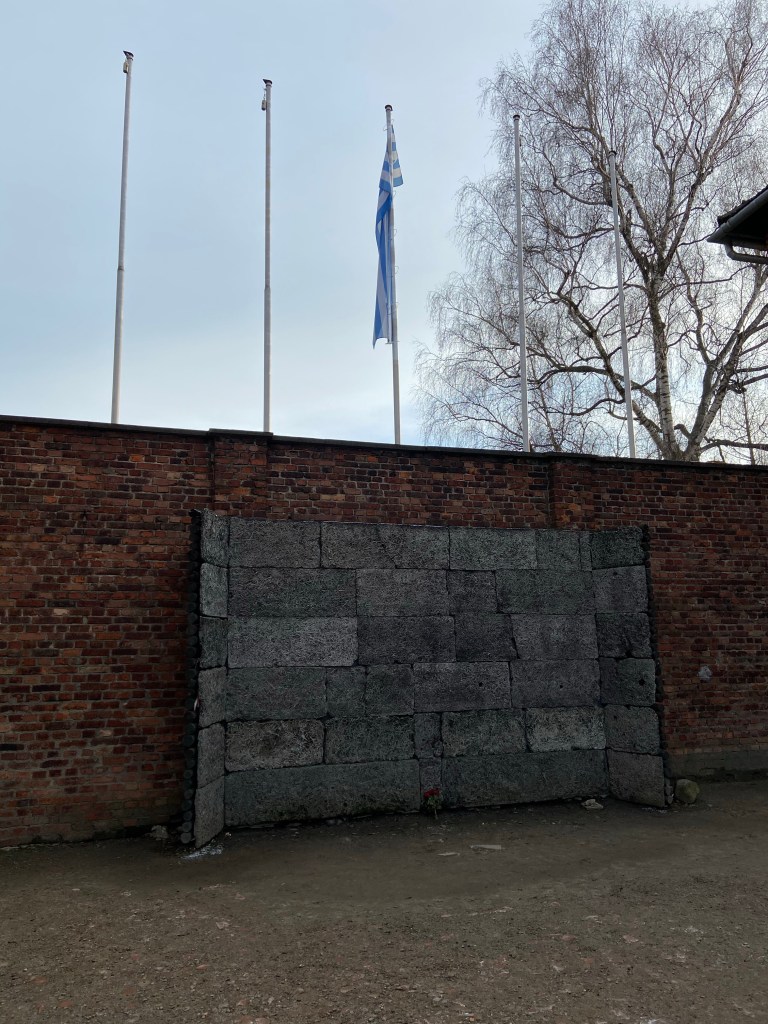


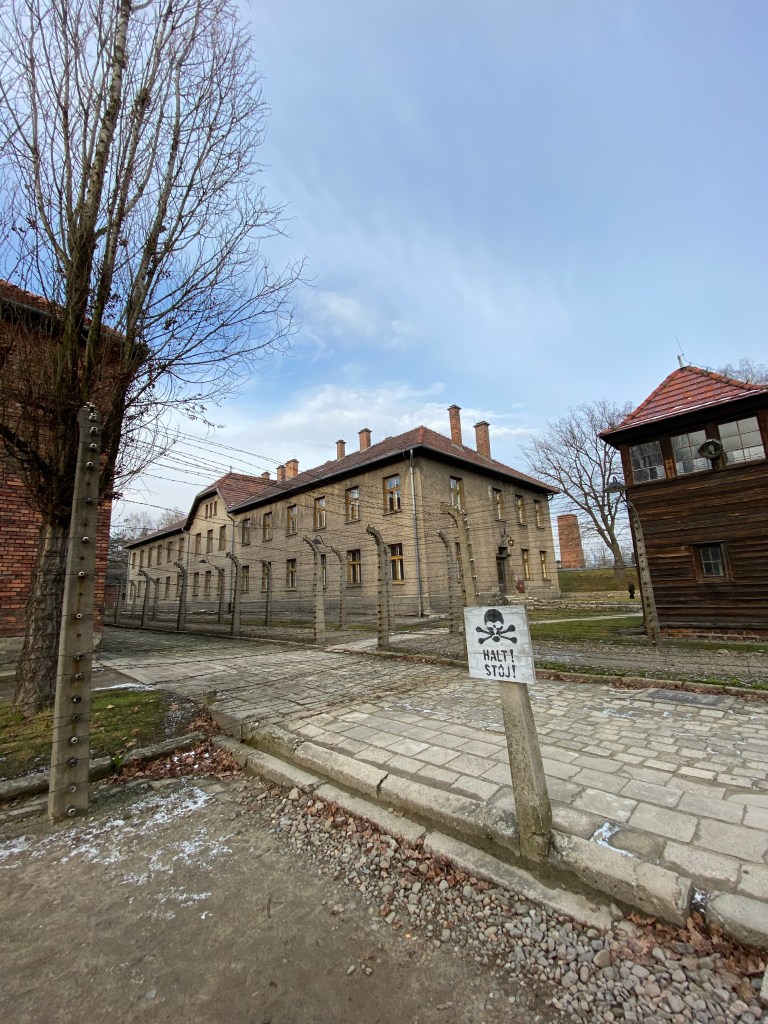
Our group tour around Auschwitz took about 2 hours, and we had a short break before heading to its adjacent camp, the Birkenau concentration camp.
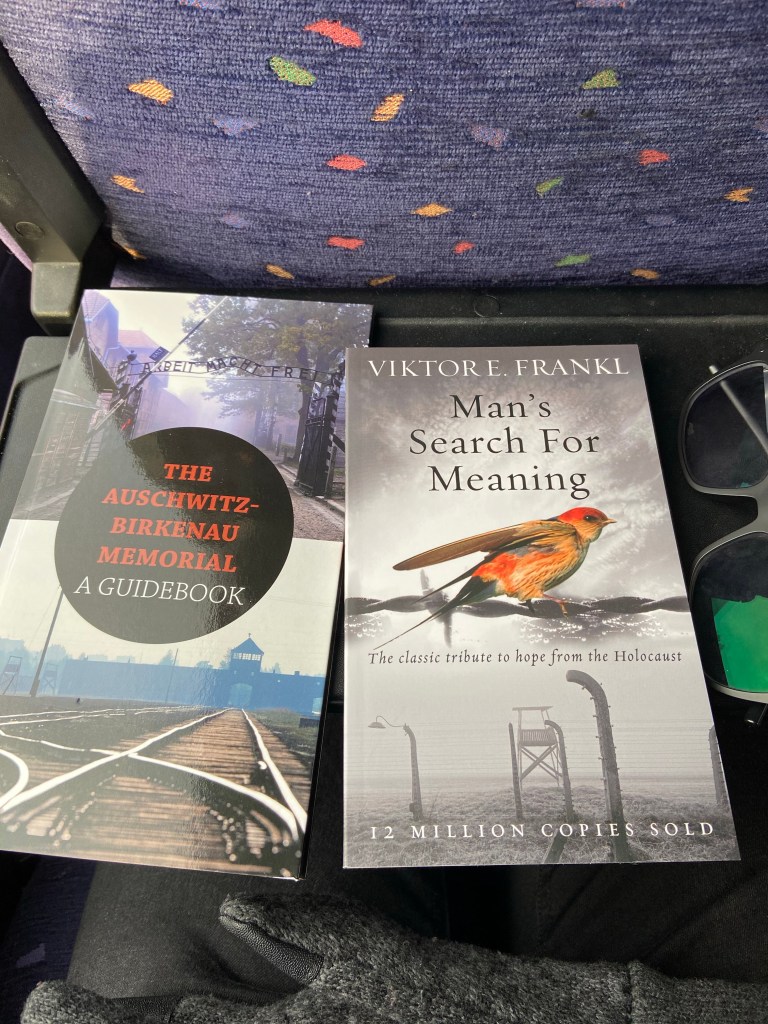
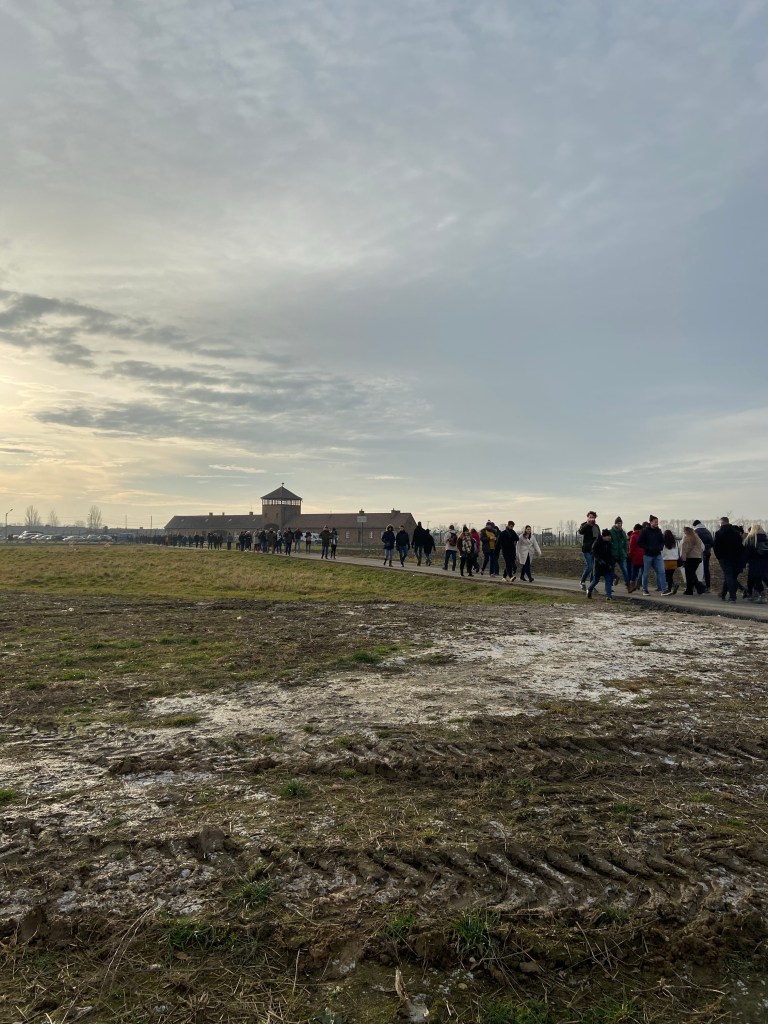
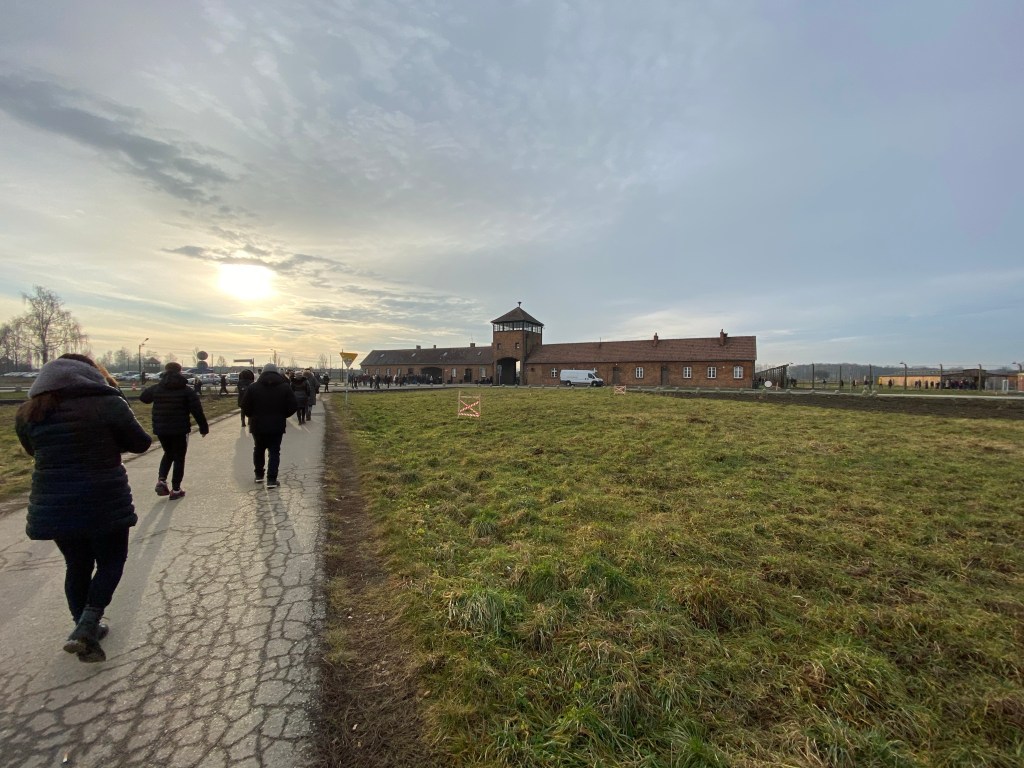
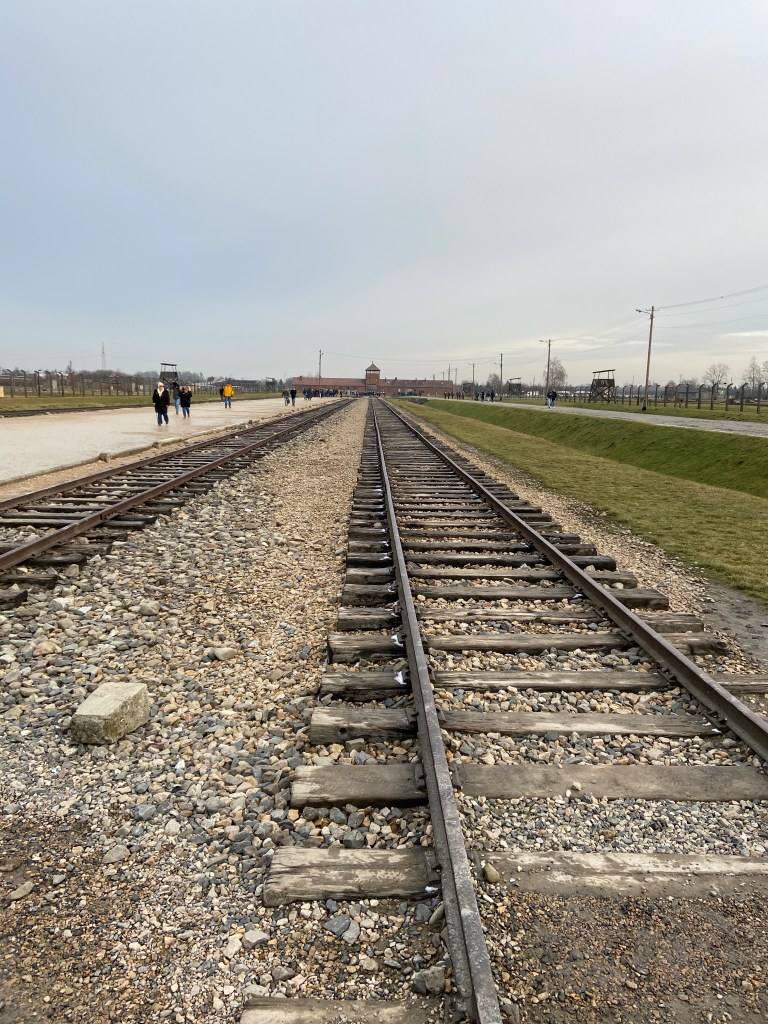
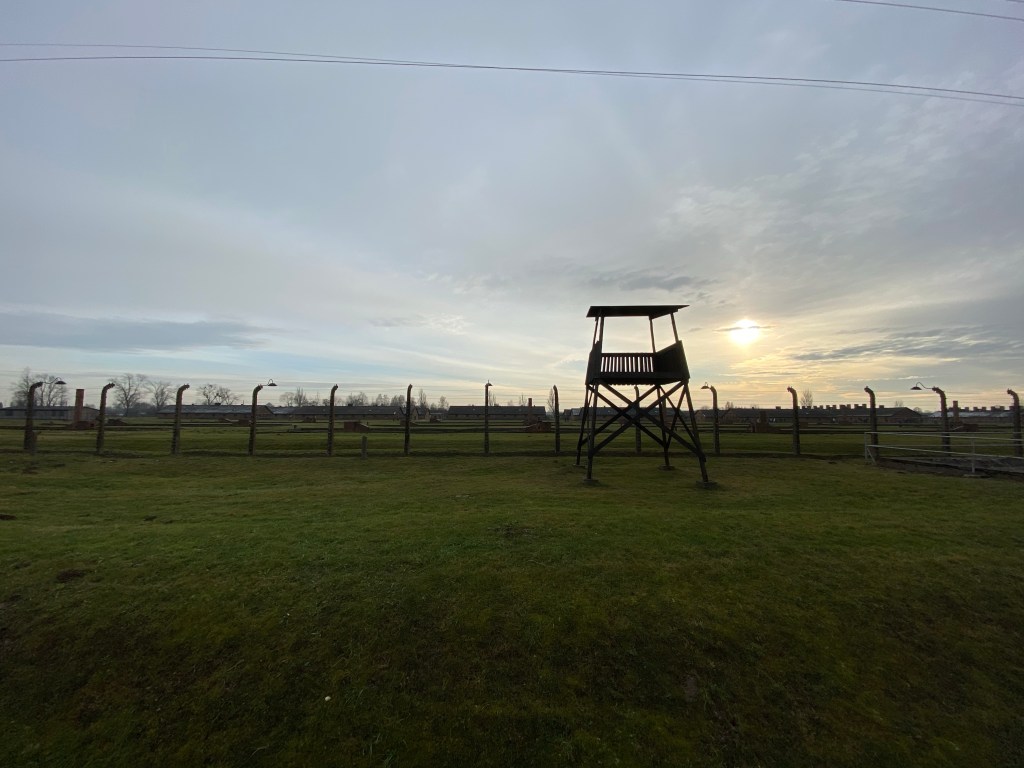

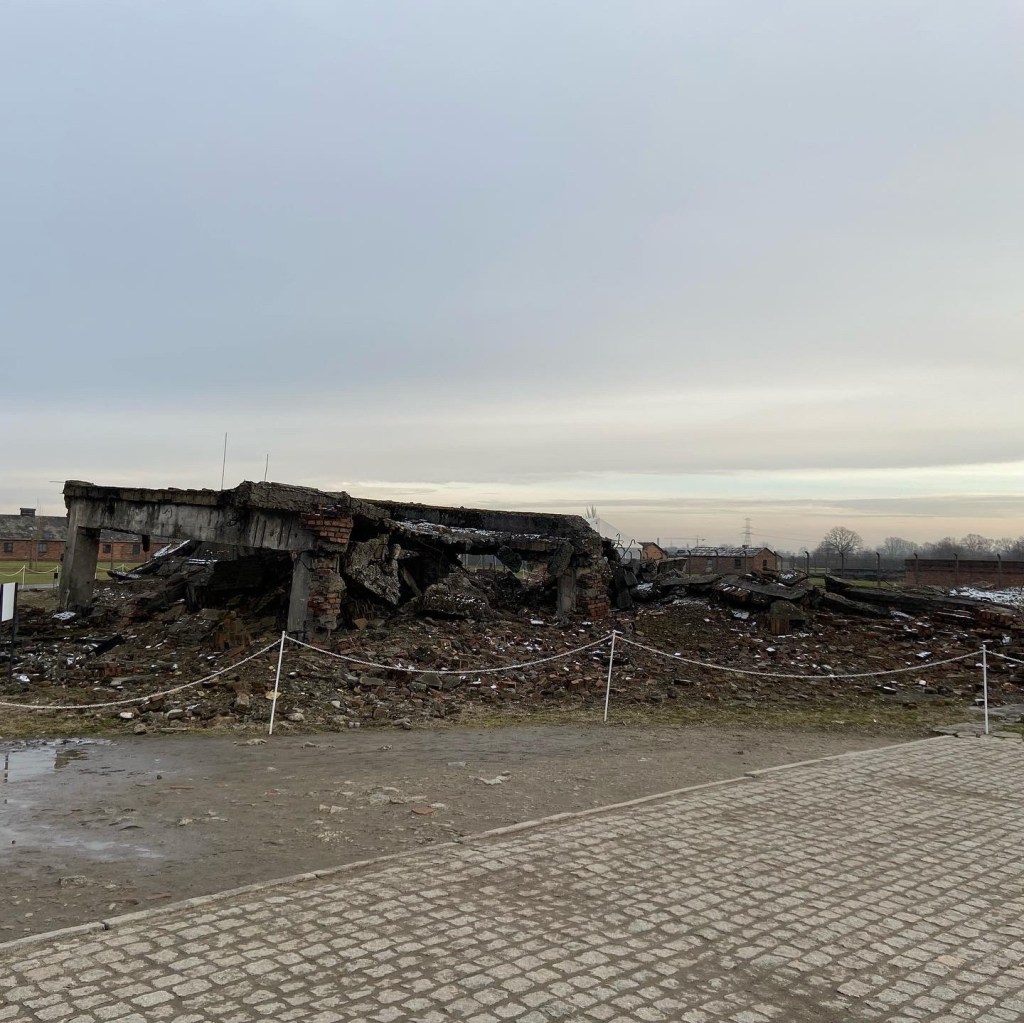
It took me a while to share these pictures I took when I visited the Auschwitz-Birkenau concentration camps last December 2019 because I didn’t think it was proper to post them at all. Instead, I posted pictures of the exterior of the camps on my Instagram page. These images felt too personal at the time. However, I realized that I wanted people to know, especially the young ones who have not heard or read about the Holocaust, to be aware of this tragedy, to understand its history, and to glimpse a dark past in human history that should never happen again and must never be forgotten. We should forever honor their memories, as they serve as a constant reminder for us to always treat each other with dignity, respect each other’s differences, and learn not just to tolerate but to accept and view life as a gift. The victims—those who perished and those still alive to this day—gave their lives to be our social conscience, and may we never forget that.



 PADDYLAST INC.